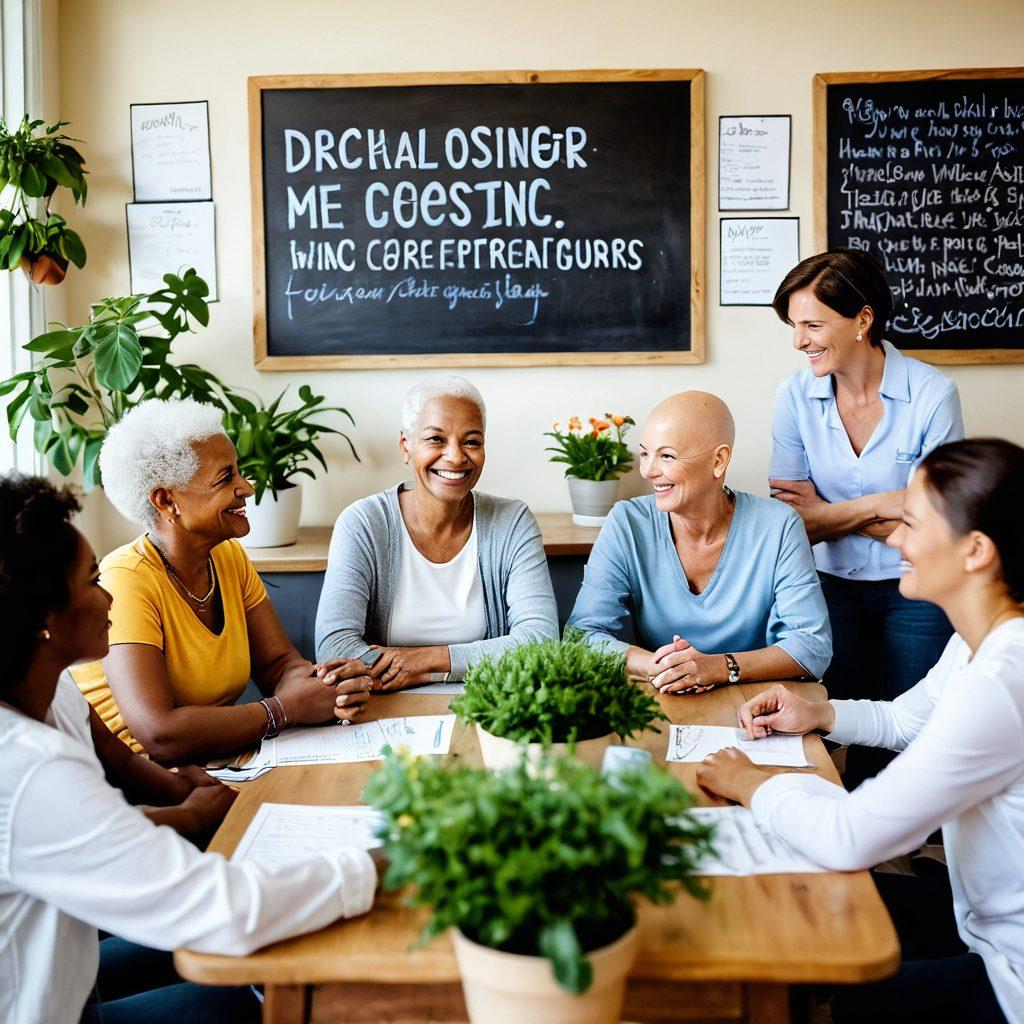
Empowering Cancer Survivors: Navigating Oncology Care and Wellness Strategies
Navigating the journey of cancer survivorship is no small feat, but knowing that you’re not alone can be incredibly empowering. As cancer survivors, many often find themselves overwhelmed with questions and uncertainties about their health post-diagnosis. The path doesn't end with treatment; it’s just the beginning of a newfound journey toward well-being. Essential oncology resources play a pivotal role in guiding survivors through this labyrinth of oncological care and wellness strategies. How do you find the right resources tailored to your individual needs?
When searching for reliable oncology resources, support groups can be a lifesaver. These groups create a community where cancer survivors can share their stories and coping strategies for cancer. Imagine walking into a room full of people who have been where you are, who understand the complexities of chemotherapy, immunotherapy, and even the nuances of palliative care. "It's not just about surviving; it's about thriving," often echoes in the hearts of these groups, reminding us that the fight against malignant disease is both personal and shared.
Healthcare resources are plentiful, yet it's crucial to differentiate between noise and actionable information. From clinical trials to emerging health news, staying informed empowers cancer survivors to make educated choices about their ongoing patient care. Engaging with medical research can unlock innovative treatments or alternative holistic approaches to cancer that might be your path to wellness. What if you could be an active participant in your cancer prevention journey?
Nutrition for cancer patients is another essential aspect that can significantly impact recovery. With a significant focus on lifestyle changes for cancer prevention, learning to nourish your body post-treatment is key. Whether it's discovering the best foods for side effects management or incorporating healthier choices into your daily routine, every little change can add up. Have you sought advice from an oncologist about dietary recommendations?
Lastly, consider the incredible world of cancer blogs and health education platforms. These resources not only provide ongoing insights into cancer statistics but also cover crucial topics such as early detection and screening. They act as a reminder that the journey doesn't have to be undertaken in solitude. Reflect on this: what actions can you take today to ensure a supportive future for yourself and fellow cancer survivors? Your journey is not just about survival; it's about creating a nurturing environment for continued health and happiness.
Empower Your Healing: Wellness Strategies and Lifestyle Changes for Cancer Recovery
Every journey through cancer is unique, yet they all share a common thread of resilience and hope. As a cancer survivor, you have faced the storm and emerged stronger, but that journey doesn’t end with the last chemotherapy session or completion of radiation therapy. The path ahead is filled with opportunities to empower your healing through intentional wellness strategies and lifestyle changes for cancer recovery. Have you ever wondered how you can turn your experiences into a source of strength when navigating your oncological care?
Holistic approaches to cancer recovery can transform your experience from one of mere survival to living life to the fullest. Imagine being able to incorporate practices that promote not only physical well-being but also emotional and spiritual health. Integrating wellness strategies such as mindfulness meditation, yoga, or walking in nature can enhance your overall health and resilience. As you learn more about the support groups and healthcare resources available, remember that healing is a multifaceted process. So, what strategies have you tried, and how have they impacted your energy levels and outlook?
Nutrition for cancer patients plays a pivotal role in recovery. Understanding what fuels your body can be transformative. Eating a well-balanced diet that is rich in fruits, vegetables, whole grains, and lean proteins can support your immune system and provide necessary energy at every stage of your healing. The American Cancer Society reports that nutrition can also be an incredible ally in managing side effects from treatments, such as chemotherapy. Have you had the chance to explore dietary adjustments or consult a nutritionist who specializes in cancer nutrition?
Don't underestimate the power of patient advocacy! As you continue this journey, take it upon yourself to be an active participant in your cancer care. Gather information on clinical trials that may be relevant to your case, reach out to your oncologist for personalized care strategies, and connect with medical research that inspires hope. With the right support, including families, friends, and even cancer blogs that resonate with your experiences, you create a safety net for yourself. What have been your most inspiring encounters with healthcare professionals or fellow survivors?
Lastly, never underestimate the impact of coping strategies for cancer. Emotional support and mental well-being are key components of effective oncological care. Engage in creative outlets, journaling, or simply sharing your story with others. These small actions can lift your spirit and help you maintain a positive outlook. Each step and every lifestyle change you make shapes your path towards recovery. Are you ready to embrace these strategies and take charge of your health and wellness?
From Diagnosis to Thriving: Supportive Care and Advocacy for Cancer Survivors
In a world where the term 'cancer survivor' is becoming increasingly common, there lies a powerful story of resilience and transformation. The journey from diagnosis to thriving is fraught with challenges, yet it also opens the door to numerous opportunities for empowerment, support, and vital advocacy. When individuals face malignancies, every step taken in oncology care—from the initial consultation with an oncologist to the exploration of clinical trials—carries weight and significance. It's not simply about surviving cancer; it's about navigating the path toward vibrant wellness and advocating for oneself through the complexities of cancer care.
Why is it that some people seem to bounce back after a cancer diagnosis while others struggle? The key often lies in supportive care and access to healthcare resources. The importance of patient advocacy can't be overstated—survivors and their loved ones must take an active role in understanding treatment options and making informed decisions. This includes seeking out palliative care for symptom management, exploring immunotherapy, and understanding the side effects management of chemotherapy and radiation therapy. Every survivor's journey is unique, but many share a common question: How do I ensure that I not only survive but flourish beyond this experience?
We all know the statistics; they can be daunting. But amidst the numbers lie compelling stories of hope and healing. The role of health education in the lives of cancer survivors is critical. Engaging in support groups not only provides a sense of community but can also offer invaluable coping strategies for cancer. Survivor networks, whether they entwine through cancer blogs or health news platforms, lay the groundwork for sharing personal stories and clinical advancements, ultimately fostering a deeper understanding of oncological care available today. Through these connections, survivors often find the strength to inspire one another on their individual journeys.
As survivors step into the realm of lifestyle changes for cancer prevention, their choices can lead to meaningful improvements. Nutrition for cancer patients becomes a powerful tool—what we eat directly impacts our well-being. Embracing holistic approaches to cancer helps foster a mindset shift. Instead of merely focusing on tumor eradication, survivors learn to cultivate wellness holistically, considering mental health, physical care, and spiritual grounding. Simple adjustments like incorporating more plant-based foods or practicing mindfulness can shift the narrative from one of fear to one of empowerment, illustrating that cancer does not define a person's potential.
Ultimately, the journey of a cancer survivor is layered with continuous learning, growth, and above all, advocacy. By engaging with medical research and keeping abreast of the latest healthcare news, survivors equip themselves with knowledge that can not only assist in their battle but also help raise awareness about early detection and prevention. It’s crucial to remember: thriving after a cancer diagnosis isn’t merely about survival; it’s about living a life rich with purpose and passion. So, how do you choose to advocate for your health and well-being today? Your journey can lead to uncharted territories of resilience, newfound friendships, and profound life changes that extend beyond the realm of oncology care.